


-

Add: HeBei ShengShi HongBang Cellulose Technology CO.,LTD.
-

Email
13180486930@163.com -

CONTACT US
+86 13180486930

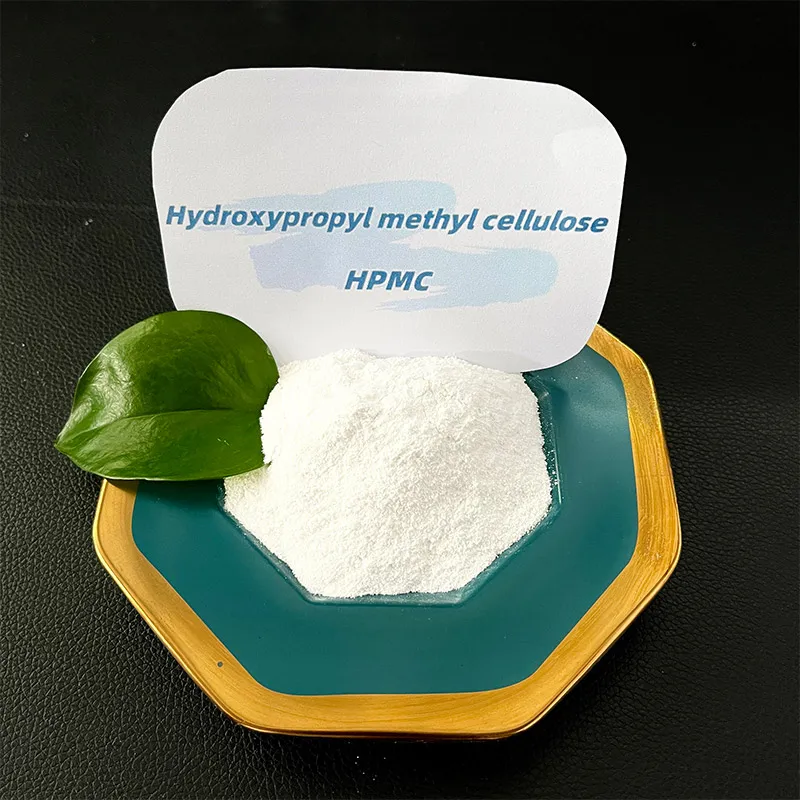


Retained Hydroxypropyl Methylcellulose (HPMC) has long been a cornerstone in various industrial and pharmaceutical applications, offering versatile properties that enhance product formulations, consistency, and performance. The recent discontinuation of certain retained HPMC products has sparked concern and curiosity among businesses and consumers who relied on its unique benefits. This article delves into the implications of this discontinuation, offers alternatives, and discusses the broader impact on industries that heavily utilized these products. Retained HPMC is renowned for its exceptional ability to control moisture, serve as a thickening agent, and sustain the stability of emulsions and suspensions. Its non-toxic, inert properties have made it a popular choice in the pharmaceutical industry for coating tablets, controlling drug release , and even in topical formulations. The construction sector also values HPMC for enhancing the workability of mortar and cement products, reducing water retention, and promoting adhesive properties. The discontinuation of retained HPMC products can be attributed to several factors, including shifts in market demand, advancements in technology, and changes in regulatory standards. For instance, increasing scrutiny over synthetic additives and a growing push for more sustainable, biodegradable alternatives have influenced manufacturers to reconsider their product lines. Furthermore, innovations in biopolymers and natural thickeners are providing effective substitutes that align with contemporary consumer preferences for eco-friendly ingredients. Businesses reliant on retained HPMC must now explore alternative solutions that can offer comparable performance characteristics. One promising substitute is cellulose ethers derived from natural sources, which maintain the desirable properties of HPMC while addressing environmental concerns. These alternatives minimize ecological impact and align with the industry's movement towards more sustainable practices. Moreover, professionals working in R&D departments are tasked with reformulating products to adapt to the absence of retained HPMC. This presents an opportunity for embracing innovation, as new formulations can potentially outperform traditional ones not just in terms of efficacy, but also in meeting regulatory standards and consumer expectations. Collaborative efforts across industries may foster the rapid development and acceptance of suitable replacements, thereby maintaining product integrity and customer satisfaction. retaine hpmc discontinued For industries such as pharmaceuticals and construction, the transition away from retained HPMC products necessitates thorough testing and validation processes to ensure the quality and safety of new formulations. This requires increased investment in R&D and robust collaboration with suppliers who can provide consistent, high-quality alternative ingredients. The discontinuation also highlights the importance of future-proofing product development to anticipate market shifts and regulatory changes. Companies that invest in adaptable, innovative solutions position themselves advantageously to navigate potential disruptors, ensuring long-term resilience and competitiveness. Engaging with regulatory bodies, industry groups, and consumer feedback can offer valuable insights and guide the development of high-performing alternatives. While the phase-out of retained HPMC products may pose challenges, it also paves the way for forward-thinking companies to lead the charge in sustainable innovation. By embracing this change, industries can not only sustain their operations but also contribute to broader environmental goals and enhance their reputation as conscientious, responsible market players. In conclusion, the discontinuation of retained HPMC products necessitates a strategic pivot towards sustainable alternatives. Through embracing innovation, rigorous testing, and cross-industry collaboration, companies can effectively navigate this transition. This approach ensures that businesses remain competitive and responsive to evolving market demands and regulatory landscapes, all while contributing positively to environmental sustainability.
- 40000tons

Production
- 20+years

Experience
- 5000+㎡

Acreage

-
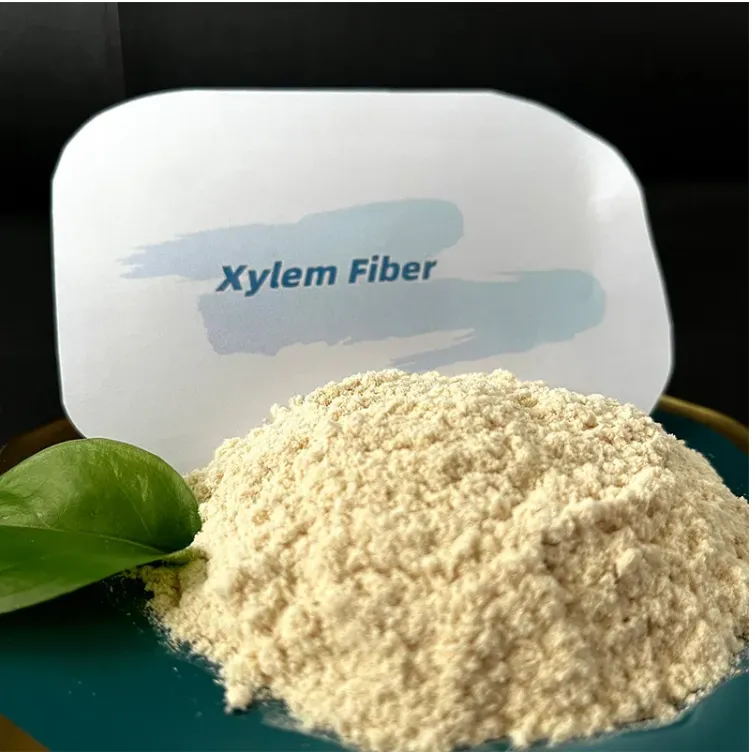
In the ever-evolving landscape of industrial and pharmaceutical applications, understanding the distinct roles and functionalities of Hydroxypropyl Cellulose (HPC) and Hydroxypropyl Methylcellulose (HPMC) is vital. Both these cellulose derivatives play crucial roles in various sectors, but their unique properties set them apart, making them suitable for specific applications. A deep dive into their differences not only aids in product optimization but also enhances the expertise of industry professionals, fostering a trustworthy and authoritative environment for innovation. Hydroxypropyl Cellulose (HPC) is a nonionic, water-soluble cellulose ether derived from the cellulose found in plant cell walls. It's renowned for its exceptional film-forming, thickening, and protective colloid properties. HPC's solubility in both water and organic solvents confers versatility, making it an invaluable asset in formulating lacquers, coating agents, and adhesives. In films and coatings, it offers transparency and flexibility, an ideal choice for products requiring a robust barrier without sacrificing aesthetic appeal. In contrast, Hydroxypropyl Methylcellulose (HPMC) is another cellulose ether notable for its gelation properties, especially upon heating. This unique thermal gelation property is extensively leveraged in the food industry for stabilization, emulsification, and thickening. Unlike HPC, HPMC's primary strength lies in its ability to retain moisture and stabilize formulations, which is indispensable in construction products like cement that require consistent moisture levels to prevent cracking and ensure structural integrity. From a pharmaceutical perspective, both HPC and HPMC serve as excipients, but their applications vary. HPC is extensively used in controlled-release formulations due to its rapid swelling and disintegration properties. It ensures that active pharmaceutical ingredients are delivered efficiently and predictably, enhancing therapeutic outcomes. Meanwhile, HPMC is favored in the formulation of sustained-release drug delivery systems thanks to its gel-forming ability, which modulates drug release rates and ensures prolonged action. In terms of solubility and chemical stability, HPC's solubility in various solvents distinguishes it from HPMC, which is primarily soluble in cold water. The versatility of HPC in solvent mixtures makes it ideal for formulating products that require specific solvent systems, such as transdermal patches and controlled delivery devices. difference between hpc and hpmc Despite their differences, both HPC and HPMC are biodegradable, non-toxic, and generally recognized as safe, placing them at the forefront of sustainable and environmentally friendly material choices. This enhances their trustworthiness and appeal in markets increasingly focused on sustainability. Industry experts often consider cost efficiency and ease of processing when choosing between HPC and HPMC . Typically, HPMC is preferred in applications where cost reduction is prioritized without compromising performance due to its abundance and ease of production. Conversely, HPC might be chosen for its multi-solvent functionality, which can justify a higher cost for specialized applications requiring such characteristics. Furthermore, the regulatory landscape influences the selection of these materials, particularly in pharmaceuticals. HPMC is widely accepted in significant pharmacopoeias worldwide, therefore easing the formulation process in different regulatory environments. In contrast, while HPC is not as extensively recognized, its unique attributes often lead to prioritization in novel drug delivery systems where specific property control is paramount. The critical decision between HPC and HPMC often comes down to their performance in specific applications. Experience shows that understanding the thermal and mechanical properties of these polymers aids significantly in optimizing product performance. HPC, with its solvent versatility and robustness, serves applications demanding flexibility and transparency, whereas HPMC's thermal gelation and moisture retention make it indispensable for long-term, controlled processes. Ultimately, the selection of either HPC or HPMC should align with industry-specific requirements, cost considerations, and regulatory implications while remaining focused on delivering superior product performance. By leveraging comprehensive knowledge and expertise in these materials, industries can foster innovation and maintain authoritative positions in their markets, ensuring that consumer trust remains unchallenged amidst the dynamic evolution of product standards and expectations.
-
L’idrossipropilmetilcellulosa (HPMC), con il suo grado specifico E5, ha attirato l'attenzione di molti settori, grazie alle sue proprietà uniche, in particolare in ambito farmaceutico e alimentare. La solubilità dell'HPMC E5 in acqua è un tema essenziale per esperti e produttori che cercano di sfruttare appieno il suo potenziale. L'HPMC E5 è noto per la sua eccellente capacità di formare gel e per la sua solubilità variabile che dipende dalla temperatura dell'acqua . A temperature ambiente, l'HPMC E5 si scioglie facilmente, creando una soluzione viscosa. L'aumento della temperatura può influenzare notevolmente la sua solubilità, dato che l'HPMC tende a precipitare se esposto a temperature troppo alte. Questo comportamento unico è sfruttato nei processi industriali per controllare la consistenza e la stabilità delle formulazioni. Gli esperti nel campo dei polimeri riconoscono l'importanza di comprendere le caratteristiche termiche dell'HPMC. Test sperimentali e studi empirici hanno contribuito a delineare un quadro dettagliato della sua solubilità. È stato osservato che, in generale, a temperature inferiori ai 40°C, l'HPMC E5 si dissolve efficientemente, rendendolo ideale per applicazioni che richiedono soluzioni chiare e stabili. Questo suo comportamento è particolarmente apprezzato nell'industria farmaceutica per la produzione di capsule e compresse, dove è fondamentale garantire una dissoluzione coerente e controllata dei principi attivi. La preparazione corretta della soluzione di HPMC E5 è di cruciale importanza per garantire la qualità del prodotto finale. Gli esperti consigliano di aggiungere l'HPMC all'acqua sotto agitazione continua per prevenire la formazione di grumi, seguita da un graduale aumento della temperatura per accelerare la dissoluzione senza superare il punto di intorbidimento. Questa tecnica non solo ottimizza la solubilità, ma mantiene anche l'integrità della soluzione, assicurando così stabilità durante l'intero ciclo di produzione. Nonostante la sua solubilità in acqua, l'HPMC E5 si distingue per la sua stabilità chimica e il suo comportamento inerte, che garantiscono la sicurezza del prodotto in diverse condizioni ambientali e pH. Questo è particolarmente vantaggioso nel settore alimentare per migliorare la consistenza e conservare i nutrienti senza influire sul sapore o sull'aroma. hpmc e5 solubilità in acqua Inoltre, è importante notare che la solubilità dell'HPMC E5 non è influenzata solo dalla temperatura, ma anche dalla qualità dell'acqua. Minerali disciolti e impurità possono alterare la formazione del gel, per cui si raccomanda l'uso di acqua demineralizzata o distillata per ottenere i risultati migliori. Grazie alla sua versatilità e affidabilità, l'HPMC E5 si è affermato come un componente essenziale nei processi di produzione dove la solubilità è una preoccupazione primaria. Le proprietà intrinseche del polimero, combinate con una comprensione approfondita delle condizioni operative ideali, permettono di sviluppare prodotti innovativi e sostenibili che soddisfano gli standard di qualità richiesti dall’industria moderna. Ogni applicazione può richiedere un approccio leggermente diverso per sfruttare necessariamente la solubilità dell'HPMC E5. Fare uso di macchinari avanzati e adottare procedure di controllo qualità migliorano ulteriormente la precisione e l'efficacia dell'uso di questo polimero. Tali pratiche rafforzano non solo la fiducia dei consumatori nei prodotti finiti, ma elevano anche l'intero settore attraverso il rispetto del massimo rigore scientifico e tecnico. In conclusione, la comprensione accurata della solubilità dell'HPMC E5 non è solo un vantaggio tecnologico, ma una necessità per le industrie che cercano di dominare mercati competitivi attraverso l'innovazione e la qualità garantita.
advantages
-

200000 Viscosities
Excellent product
We can produce pure products up to 200,000 viscosities
-

40000 tons
High yield
We don’t stop production all year round, and the annual output can reach 40,000 tons
-

24 hours
Quality service
We provide 24-hours online reception service, welcome to consult at any time
———— Inquiry Form
Schedule A services

-
 hpmc_e50
Oct . 25, 2025
Hydroxypropyl methylcellulose (HPMC) is a versatile polymer widely used in the pharmaceutical, food, -
 utilisations_de_l_hydroxypropylmethylcellulose
Oct . 25, 2025
Starch ether is a versatile and eco-friendly compound derived from natural starch sources, widely us -
 hpmc_distributor
Oct . 25, 2025
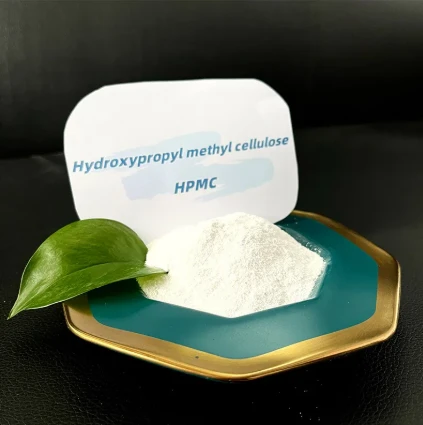
Hydroxypropyl Methylcellulose (HPMC) is a highly versatile and reliable compound used across various


